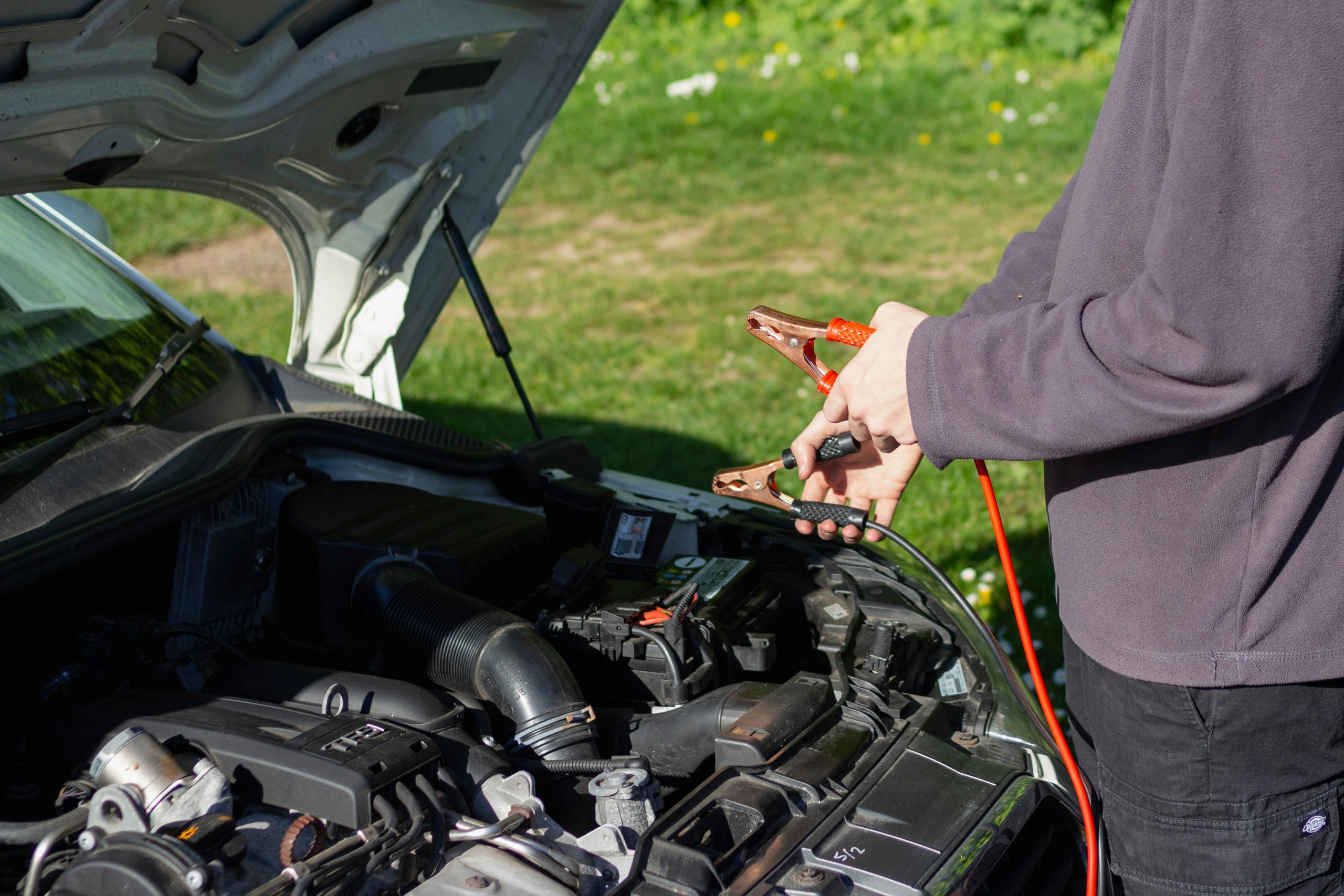
One of the questions the technicians at our service centre get asked often is "do I need a new car battery?" If you're wondering this yourself, there are a few definitive signs to look out for to be sure.
In this article, we’ll cover every symptom from slow engine cranks to dim lights. Understanding these signs will help you decide if it’s time for a new battery.
Key Signs You Need a Battery Replacement
- A slow engine crank with clicking sounds often indicates a failing car battery that may need replacement.
- Dim or flickering headlights and interior lights signal that the battery is struggling to provide adequate power.
- Dashboard warning lights, especially the battery warning light, alert drivers to potential battery or electrical system issues.
- Corroded battery terminals can hinder electrical flow, reduce battery performance, and lead to unexpected battery failure.
- The age of the battery (typically 3-5 years) is a key factor; regular testing and maintenance help prevent sudden battery problems.
Slow Engine Crank
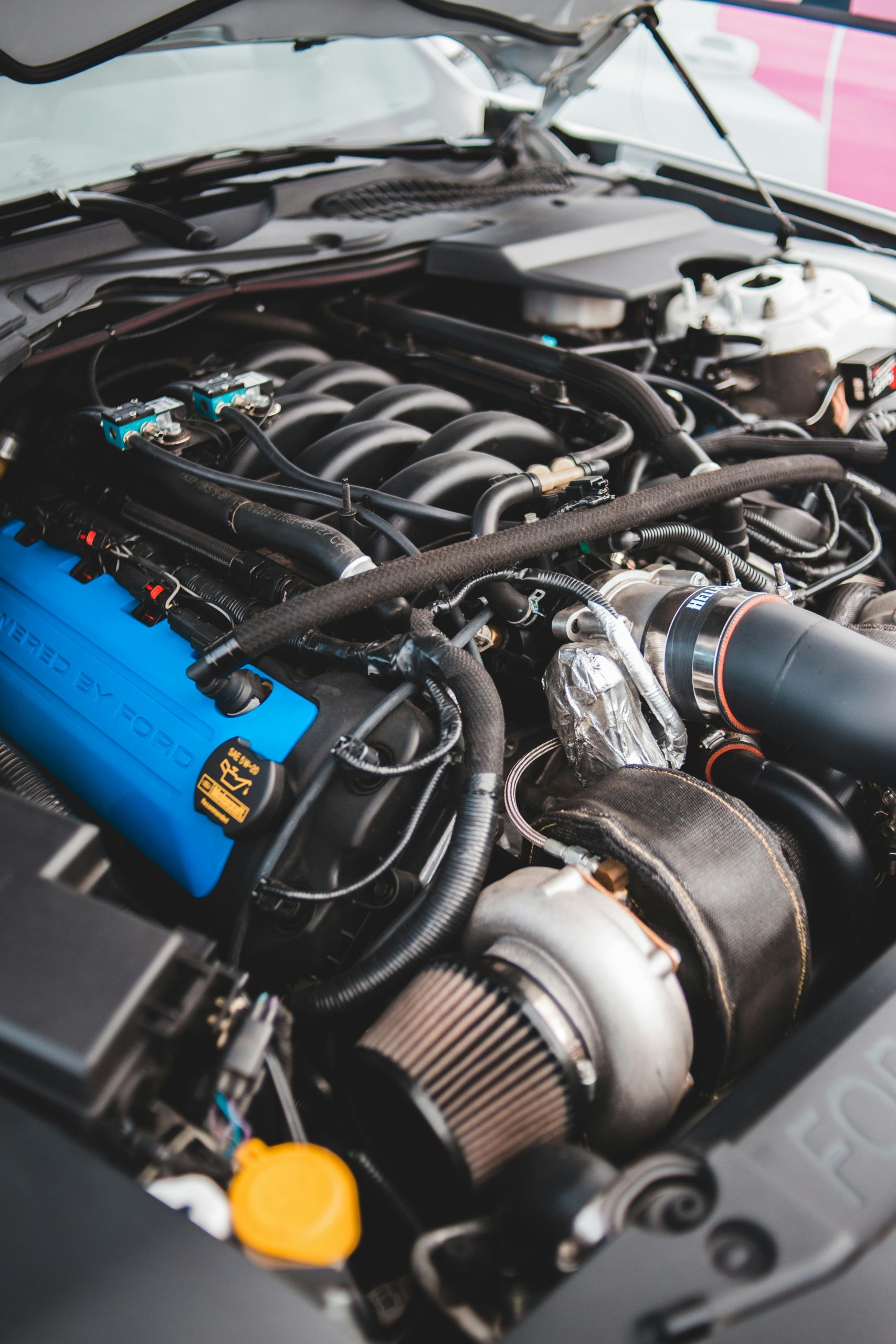
A slow-turning engine is a great way to ruin your morning commute before its even started. Make sure to get your battery checked on to avoid it, and save the headache for when you're stuck in Stoney Trail traffic!
One of the first and most telling signs of a failing car battery is a slow engine crank. Picture this: you turn the key in the ignition, but instead of the usual roar of the engine, you hear a sluggish whirr. If your vehicle’s engine takes longer than usual to turn over, it may be time to pay attention to your new car battery. This delay often means the battery isn’t providing enough power to start the engine effectively.
Another telltale sign is a clicking sound when you try to start the engine. This clicking noise typically indicates that the battery does not have enough power to crank the engine. It’s a sound that can quickly turn your hopes of a smooth drive into concerns about your battery’s health.
A prolonged engine turnover can sometimes make you suspect starter or alternator issues. However, more often than not, these symptoms point directly to battery issues. It’s worth noting that even a well-maintained vehicle can experience these problems if the battery is failing.
The presence of corrosion on battery terminals can exacerbate these issues. Corrosion acts as an insulator, hindering the flow of electricity and thus affecting the battery’s ability to start the engine. A regular inspection of battery terminals can catch corrosion early, preventing these frustrating starting problems, especially when sulfuric acid is involved.
If your engine takes longer to start or you hear clicking sounds, consider checking your battery. Don’t wait until you’re stranded; a visit to the mechanic for a quick battery check can save you a lot of hassle. Engines can be tricky, so it’s best to stay proactive.
Dim Lights and Electrical Issues
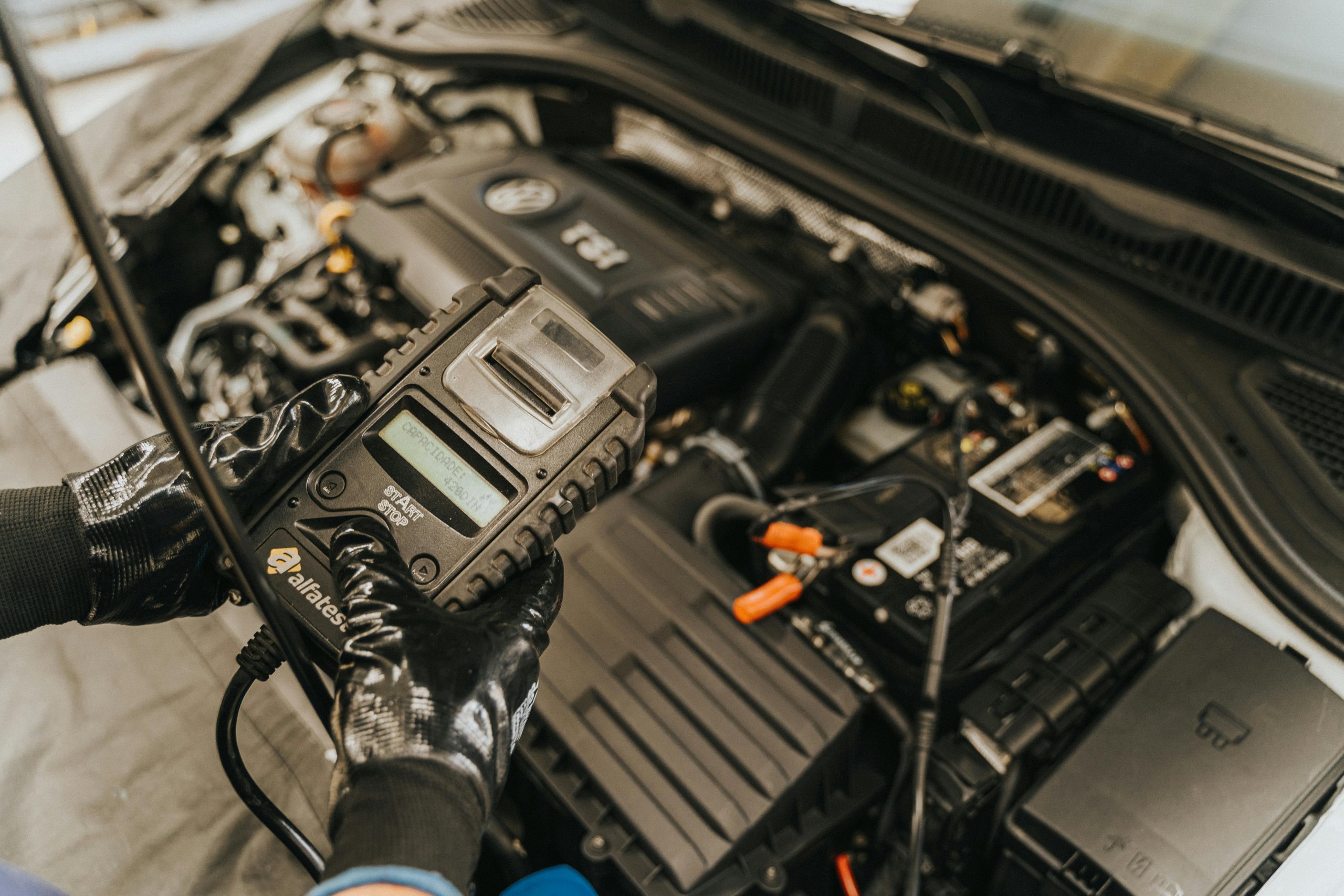
Dimming lights aren't just a safety hazard, but also a clear sign that somethign is up with your battery.
Dim lights and electrical issues are another significant indicator of battery problems. Imagine you're driving down Deerfoot one evening and notice that your headlights seem dimmer than usual. Reduced brightness in your vehicle’s lights can be a sign that the battery dies and is struggling to provide enough power.
Flickering interior lights are another red flag. If you notice your dashboard lights or other interior lights flickering, it might suggest that the electrical system is struggling due to a failing battery. Such electrical malfunctions can be annoying and, more importantly, they compromise your vehicle’s safety.
It’s not just the lights that suffer. Slow operation of power windows when the engine is off can also reflect an inadequate battery. This might seem like a minor inconvenience, but it’s a sign that your battery is not performing at its best.
These electrical issues demand much attention because they affect various components of your vehicle. From headlights to dashboard lights, a weak battery can cause malfunctions that are both inconvenient and potentially hazardous. Regularly testing your battery and ensuring it’s in good health can prevent these problems.
If you notice dim or flickering lights along with other electrical issues, it’s time to test your battery. Addressing these signs early can keep your vehicle’s electrical components functioning properly and maintain your safety on the road.
Dashboard Warning Lights
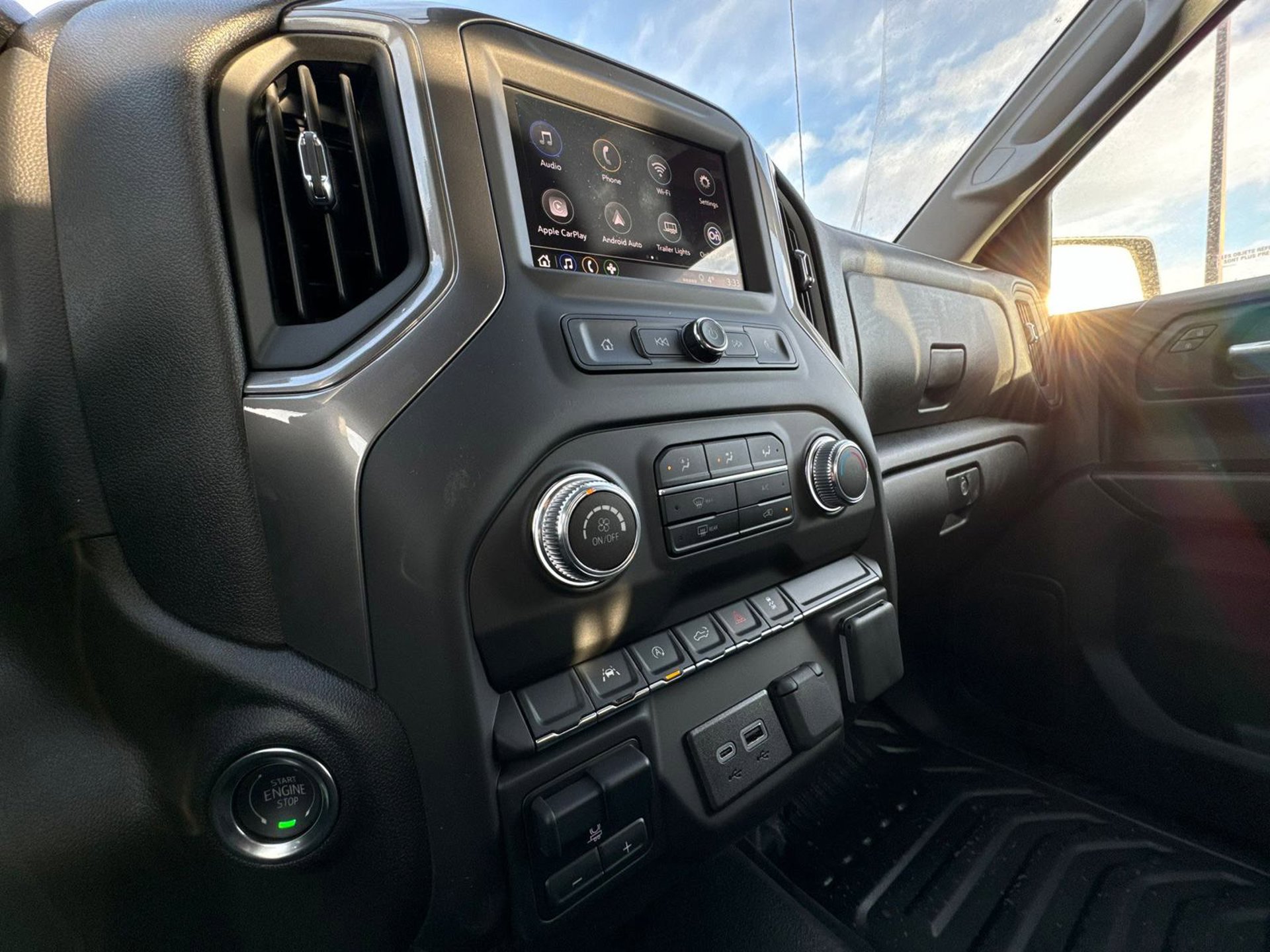
Your vehicle’s dashboard warning lights are like a language of their own, signaling various issues that require attention. One of the most common indicators of a vehicle’s battery problem is the battery warning light. This light resembles a battery icon and is a clear sign of potential issues with the battery or related electrical systems.
If this light activates while you’re driving but your vehicle starts normally, it might suggest an underlying battery issue that could escalate if ignored. When the battery light stays illuminated, it means your battery is not receiving adequate charge. Ignoring this can lead to more severe problems, including a dead battery.
Dimming headlights can also be associated with this issue, indicating either a failing battery or problems with the alternator. It’s crucial to pay attention to these signs and not dismiss them as minor annoyances. Loose wiring connections might contribute to dim lights, so an inspection of the electrical system is warranted.
Dashboard warning lights are vital for alerting drivers about various vehicle issues, including battery problems. Most drivers might overlook these dashboard light, but doing so can result in a car battery dead situation, where you might need a jump start or even a new battery.
Never ignore your dashboard warning lights. They are your cars vehicles’ way of telling you something needs attention. Addressing these signs promptly can prevent further complications and ensure your vehicle remains in good working condition.
Corroded Battery Terminals
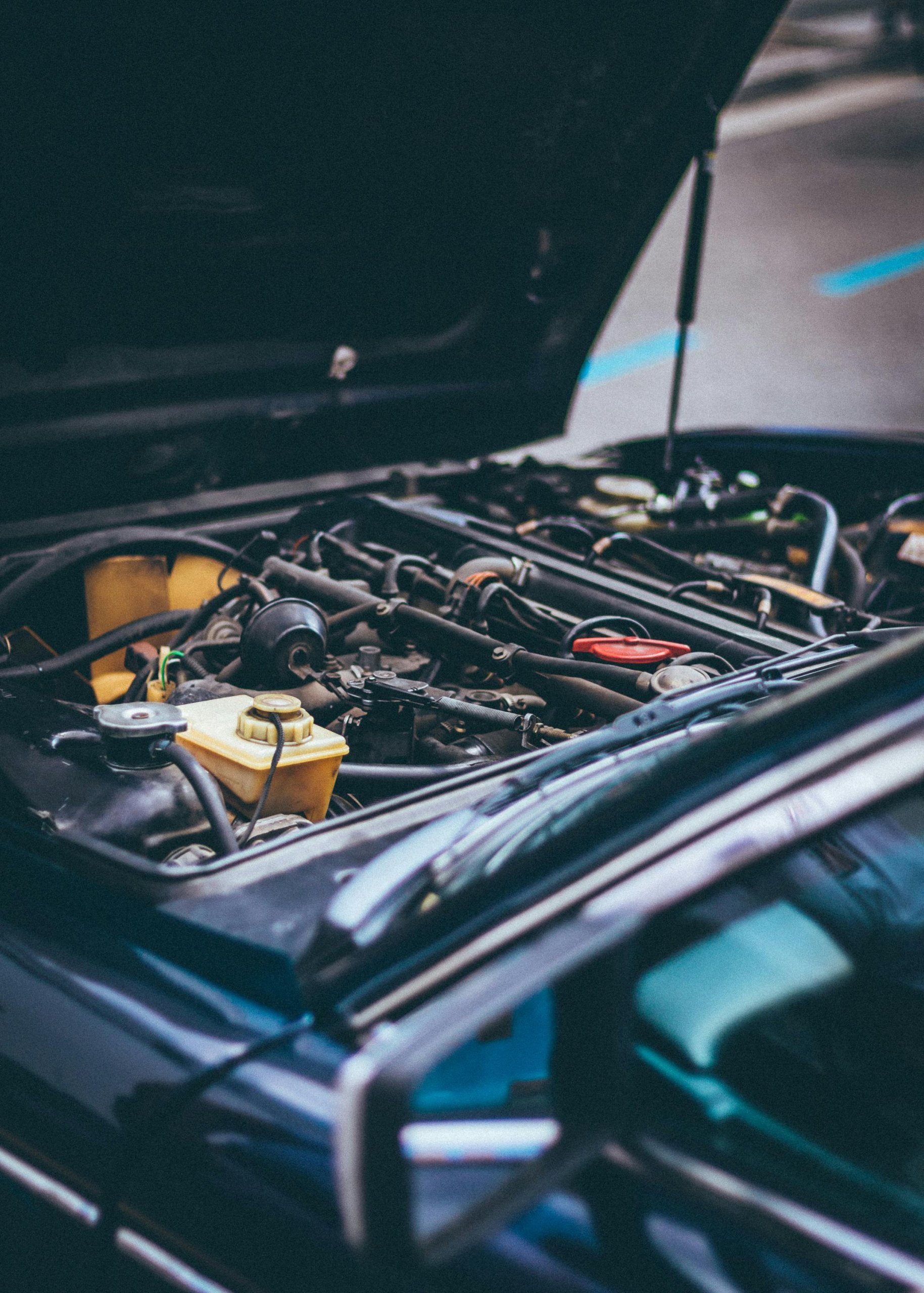
Corroded batteries can not only stop you from being able to fully charge your battery, but also lead your vehicle to stop suddenly during a drive, potentially leaving you stranded.
Corroded battery terminals are a clear sign that your battery might be in trouble. Corrosion appears as a white, green, or blue powdery substance around the battery posts and terminals, often caused by battery acid. This buildup can prevent your battery from fully charging, leading to a dead battery.
The presence of corrosion can significantly shorten the lifespan of car batteries, necessitating earlier replacement. Addressing corrosion promptly ensures better electrical flow and helps keep your battery charged.
Regular inspection and cleaning of the battery terminal, including the negative terminal and positive terminal, can maintain a healthy battery. This proactive approach helps avoid the build-up of corrosive substances that act as insulators, hindering the flow of electricity and affecting battery performance.
In some cases, corroded terminals can cause a battery to fail without warning, leaving you stranded with a dead battery. Therefore, it’s essential to regularly check the battery terminals and clean them to ensure optimal performance.
Car Battery Age
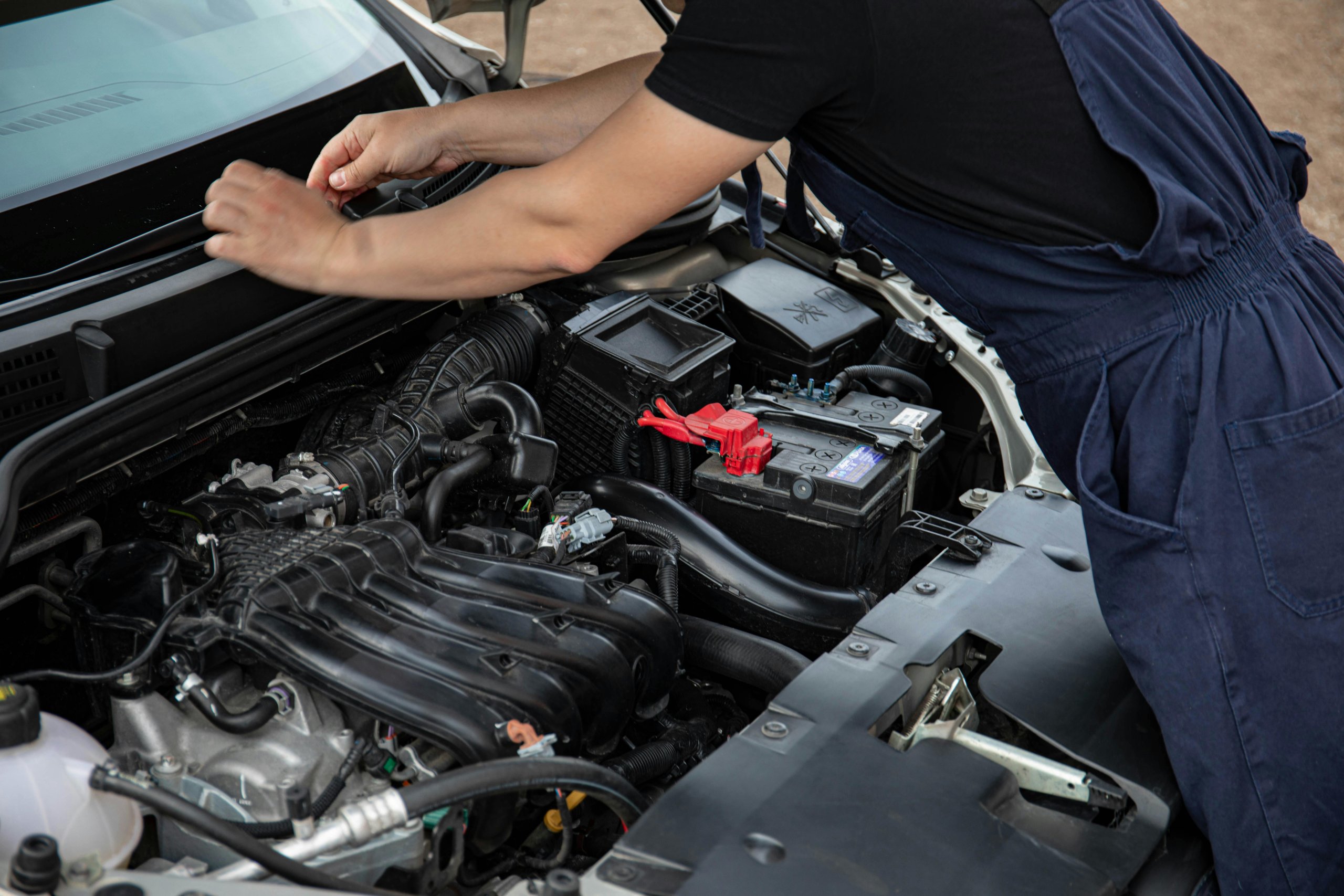
Like any other component of your vehicle, your battery can ultimately wear down with time, negatively impacting performance.
The age of the battery is a crucial factor in determining its health. Most car batteries usually have a lifespan of three to five years. This range can vary based on factors such as usage and maintenance. Therefore, it’s essential to monitor the age of your battery and perform regular tests to ensure it remains reliable.
An aging battery may struggle to maintain voltage, causing the battery warning light to turn on. Regular testing of a battery that is three years old or older can help ensure it doesn’t fail unexpectedly.
Neglecting battery corrosion can lead to a decrease in battery lifespan, potentially requiring earlier replacement. Regular inspection and cleaning of battery terminals can maintain optimal performance and replace battery life.
Cleaning corroded battery terminals can restore battery performance and recharge its operational longevity. This simple maintenance service task can save you from the inconvenience of a dead battery and allow you to rest easy.
In conclusion, knowing the age of your battery and maintaining it properly can prevent unexpected failures. Regular testing and cleaning can ensure your battery remains in good health and serves you well for its full capacity lifespan.
Book Your Battery Replacement Today at Shaw GMC
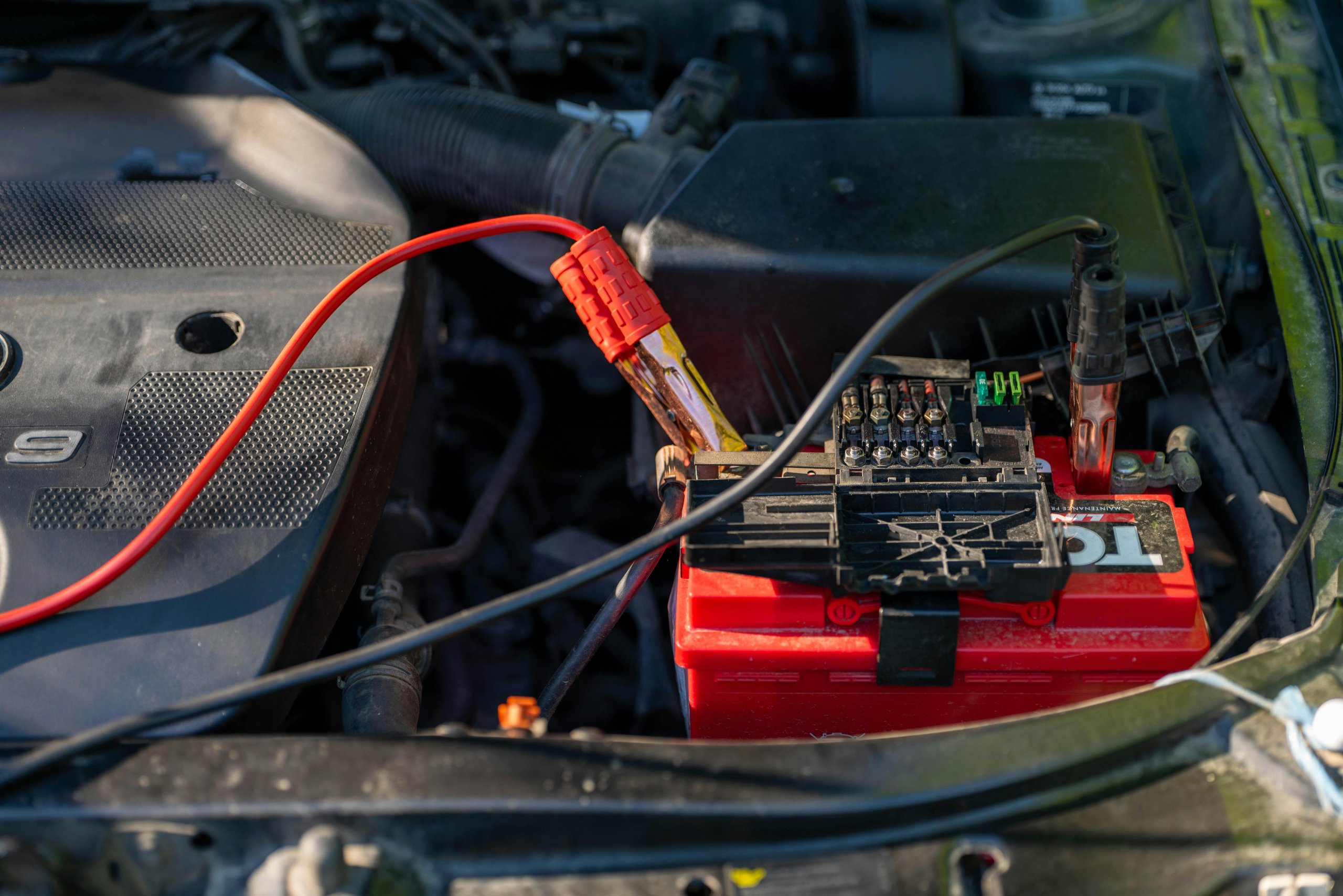
Visit Shaw GMC in Southeast Calgary today to schedule a service appointment for battery replacements as well as any other maintenance needs you may require.
In summary, recognizing the signs of a failing car battery can save you from unexpected breakdowns and ensure your vehicle runs smoothly. Slow engine crank, dim lights, and electrical issues, dashboard warning lights, corroded battery terminals, and the age of the battery are all indicators that your battery may need replacing.
By paying attention to these signs and performing regular maintenance, you can prolong the life of your battery and avoid the inconvenience of a dead battery. Contact us today to book a service appointment and our team of experienced technicians will get your car running in prime condition in no time!